
The historical evolution of casinos a journey through time
Origins of Gambling in Ancient Civilizations
The concept of gambling dates back to ancient civilizations, where rudimentary games of chance formed the foundation for modern casinos. Archaeological findings suggest that the Chinese were among the first to engage in gambling, using rudimentary dice as early as 2,300 B.C. Similarly, the Romans embraced various gambling activities, such as betting on chariot races and gladiatorial contests. These early forms of gambling laid the groundwork for the social and cultural significance that would emerge around casino establishments. Today, players can explore innovative options like payid casino to enhance their gaming experience.
In Ancient Egypt, games of chance played a role in religious rituals and were often associated with divination practices. This intertwining of chance and spirituality highlighted the allure of gambling throughout history. As societies evolved, these games became more organized, leading to the establishment of more structured forms of gambling, which foreshadowed the future development of casinos as we know them.
Throughout the ages, gambling has reflected societal values, with many ancient cultures viewing it as a form of entertainment, while others condemned it as morally questionable. Despite varying opinions on gambling, its persistence across time signifies an intrinsic human fascination with chance and luck, making it a compelling subject of study in the evolution of casinos.
The Birth of the Casino: The Venetian Influence
The first recorded casino, the Ridotto, was established in Venice in the early 17th century. This institution was created to offer controlled gambling to the public, reflecting a significant shift from informal betting in back rooms and taverns. The Venetian government sanctioned the Ridotto, recognizing both its economic potential and its ability to regulate gambling activities. This move paved the way for the modern casino structure, where gambling could be experienced in a socially acceptable environment.
The Ridotto set a precedent by introducing formal rules and a structured setting for gambling. Patrons could enjoy games such as card games and dice, all under the watchful eye of the government, which aimed to curb illegal gambling. This early model emphasized the importance of regulation in gambling, a theme that persists in today’s casino environments.
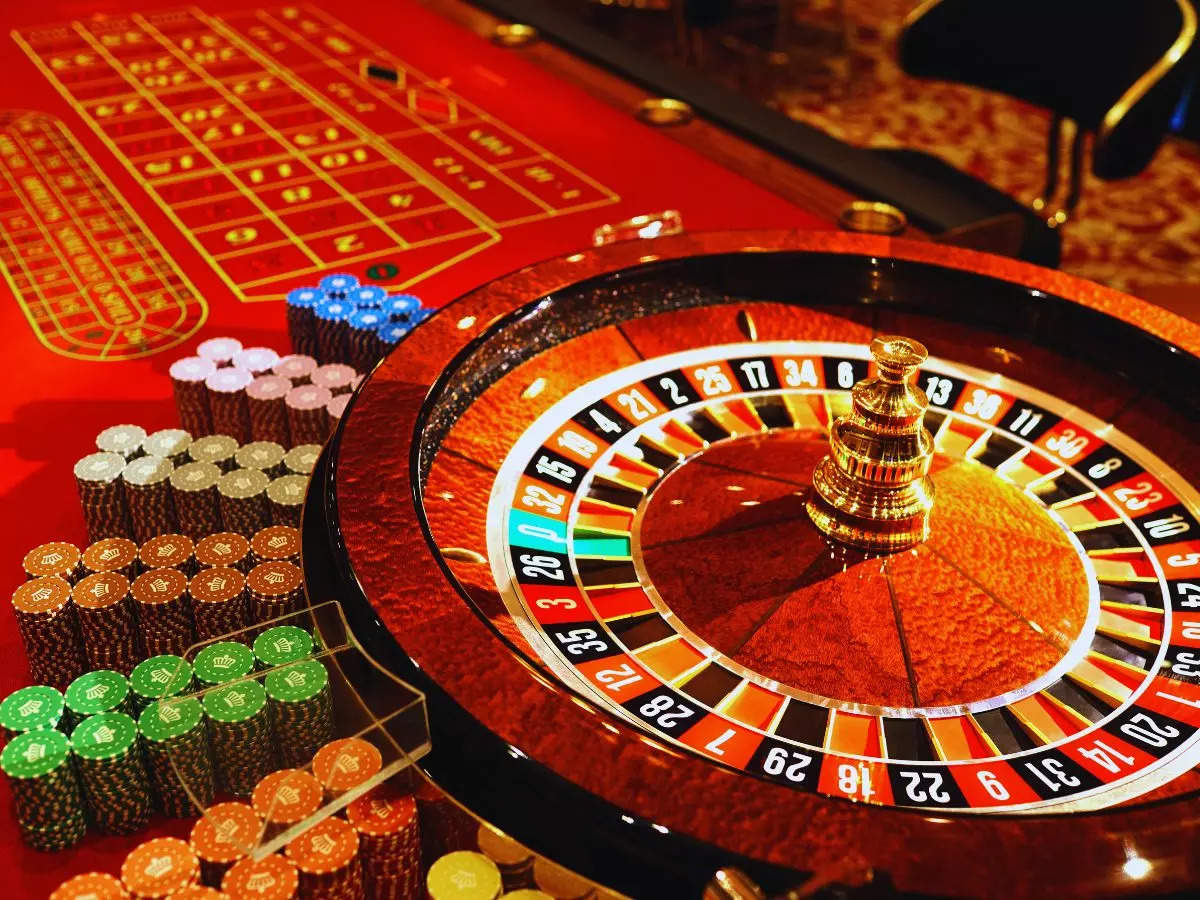
As the idea of casinos spread across Europe, particularly in France, the industry began to flourish. French casinos introduced popular games like roulette and baccarat, which have become staples in gambling establishments worldwide. The Venetian influence on the casino landscape marked a critical turning point in the evolution of gambling, leading to the vibrant and diverse casino culture we experience today.
The Golden Age of Casinos in the 19th Century
The 19th century heralded a golden age for casinos, particularly with the establishment of Monte Carlo in 1863. This iconic casino transformed gambling into a glamorous and high-stakes activity, attracting the elite from around the world. Monte Carlo’s luxurious ambiance set the standard for casinos globally, blending opulence with the thrill of chance. The casino not only served as a gambling hub but also as a social gathering place, further cementing its cultural importance.
As gambling gained popularity, various countries began to establish their own casinos, each reflecting local customs and gaming preferences. In the United States, the introduction of slot machines in the late 19th century revolutionized the casino experience. These mechanical devices provided a new, exciting way for patrons to engage with gambling, broadening the appeal of casinos beyond traditional card games.
The emergence of organized crime during this era, particularly in Las Vegas and Atlantic City, also played a role in shaping the casino landscape. Criminal elements sought to profit from the burgeoning casino industry, leading to unique stories and celebrity connections that would later define the narrative around American gambling culture. The 19th century established casinos as key societal institutions where money, glamour, and risk intertwined in fascinating ways.
Modern Casinos and the Digital Revolution
The late 20th and early 21st centuries have witnessed a transformation in the casino industry, largely due to advancements in technology. The rise of the internet and mobile devices has led to the proliferation of online casinos, allowing players to engage in gambling from the comfort of their homes. This digital revolution has changed the way people interact with gambling, making it more accessible and varied than ever before.
Online casinos offer a multitude of games, including traditional favorites and innovative new options, appealing to a diverse audience. The incorporation of advanced technologies, such as live dealer games and virtual reality, has further enhanced the gaming experience, bridging the gap between in-person and digital gambling. Players can now enjoy real-time interactions and immersive environments that mimic the casino experience.
Moreover, the popularity of online gambling has compelled brick-and-mortar casinos to innovate and adapt. Many traditional casinos have begun to incorporate technology into their operations, enhancing customer experiences through loyalty programs, mobile apps, and interactive gaming. This evolution signifies the adaptability of the casino industry in response to changing consumer preferences and technological advancements, ensuring its continued relevance in a rapidly evolving landscape.

Exploring Celebrity Stories and the Casino Culture
Throughout history, casinos have attracted a plethora of celebrities, each contributing to the allure and mystique of these establishments. From iconic figures like Frank Sinatra performing at the Sands in Las Vegas to contemporary stars hosting events at luxury casinos, the intersection of celebrity culture and gambling has shaped public perception of casinos. These stories often amplify the excitement associated with gambling, as celebrities engage in high-stakes games that capture the imagination of fans.
Additionally, famous personalities have been involved in both the glamour and drama that casinos can incite. Stories of wins, losses, and even scandals often surface, adding a layer of intrigue to the casino narrative. Such tales not only enhance the casino’s cultural cachet but also create a sense of community among patrons who share in these experiences, further solidifying the casino as a social and entertainment hub.
In today’s landscape, casinos leverage their celebrity associations to attract visitors and enhance their brand. Exclusive events featuring celebrity appearances or performances can draw significant crowds, showcasing the ongoing relationship between gambling and celebrity culture. This dynamic continues to evolve, ensuring that casinos remain at the forefront of entertainment and social interaction in contemporary society.